

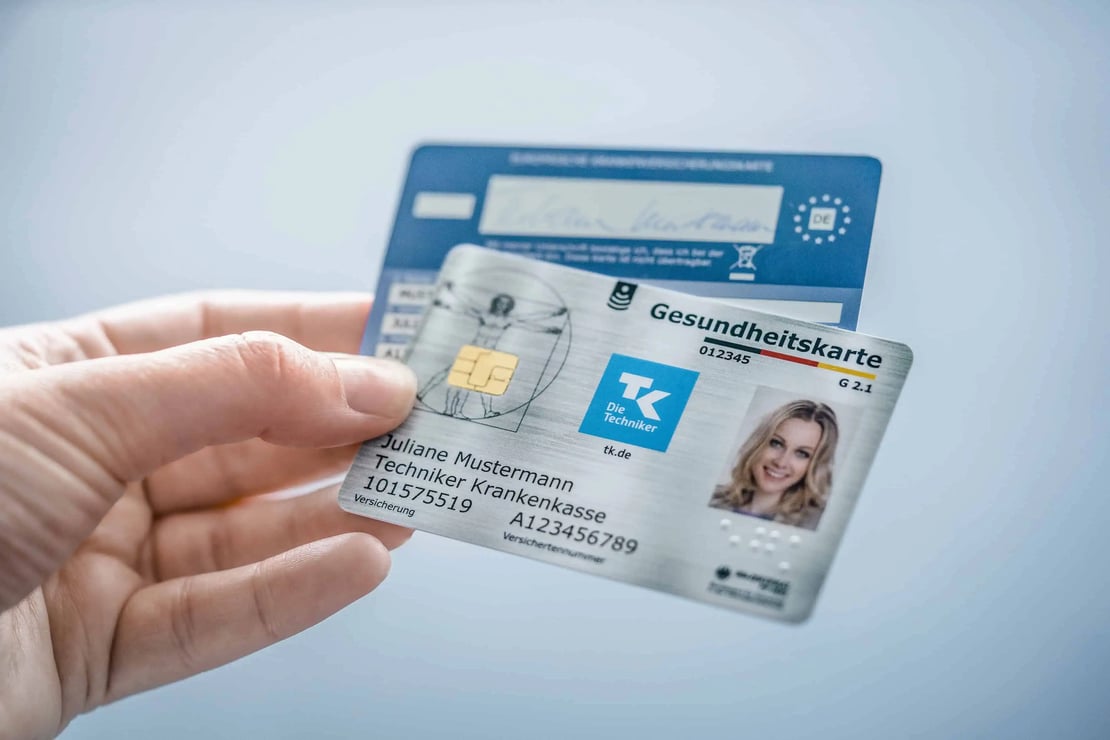
Techniker Krankenkasse (TK) is one of Germany's statutory health insurance funds. For international residents, the important question is not simply whether TK is well known, but whether its contribution structure, services and access fit your own situation.
TK is part of the statutory health insurance system (gesetzliche Krankenversicherung, or GKV). Choosing TK is therefore a choice within GKV. It is separate from the broader question of whether statutory or private health insurance is legally available and financially suitable for you.
What is Techniker Krankenkasse (TK)?
TK is a statutory health insurance fund that administers GKV cover for eligible members. The core benefits of statutory insurance are based on German law. Funds can differ in their additional contribution rate, extra services, bonus programmes, digital processes and customer support.
This means TK is not a private health insurer and membership in TK does not by itself change the statutory nature of your cover. The right fund depends on your circumstances and on the services you value, not on a universal ranking.
Who can join TK?
Eligibility depends mainly on your employment status, income and existing insurance position. Employees who are subject to compulsory statutory insurance can generally choose a statutory fund such as TK. Students, trainees and some self-employed people may also be able to insure through GKV, although the rules and contribution calculations differ.
Employees whose regular income exceeds the 2026 statutory annual income threshold may have a choice between voluntary statutory insurance and private health insurance. Residence or nationality alone does not decide the result. Before applying, check your employment contract, income, previous insurance history and any applicable family-insurance or student rules.
TK provides a current contribution calculator and membership application routes, but an application should not replace checking whether you are eligible for the chosen insurance status.
How much does TK cost in 2026?
For 2026, TK lists the general statutory health insurance contribution rate at 14.6% of gross income and its supplementary contribution rate at 2.69%. Together, these produce a current TK health-insurance contribution rate of 17.29% of gross income, subject to the applicable contribution assessment ceiling.
Employees and employers generally share the health insurance contribution equally. On that basis, the employee share of the health-insurance contribution is 8.645% in 2026, before considering long-term care insurance and other applicable limits. Self-employed members are calculated differently and should use the current TK rules for their situation.
These are 2026 figures, not a promise about future contributions. Statutory contribution rates and fund-specific supplementary rates can change. A comparison should therefore consider the current rate as well as the fund's services and how regularly you are prepared to review your choice.
For the current figures and calculation details, see TK's contribution information.
Which TK services matter to international residents?
TK maintains English-language information for international members and explains how to deal with common questions about membership, contributions and healthcare in Germany. Its current English site also lists digital services and apps that can help members manage parts of their insurance online.
Depending on your situation, useful points to check include the availability of English-language support, online forms, digital document handling, the contribution calculator, access to advice and the services available for students, employees or self-employed members. The relevant service is the one that works for your needs; a digital option does not automatically make one fund better for every person.
TK's current English overview of services and benefits is a useful starting point, but always check the current terms before relying on a particular benefit.
What should you compare before choosing a Krankenkasse?
Contribution is one factor, but it should not be the only one. Compare the following points:
- the current supplementary contribution and how it affects your expected payment;
- eligibility, voluntary membership and family-insurance rules for your circumstances;
- additional benefits, reimbursement rules and any restrictions;
- service accessibility, including language support and available contact channels;
- digital processes, document submission and appointment or advice options;
- bonus programmes or contribution refunds, if they are relevant to you; and
- how the fund fits with your employer, studies, self-employment or family situation.
Benefits and contribution rates can change, so use current provider information rather than relying on an old comparison or an undated recommendation.
TK, GKV and the PKV decision
Choosing TK means choosing a fund within GKV. It does not answer the separate question of whether you should remain in statutory insurance or consider private health insurance where the law allows it. That broader decision can involve eligibility, long-term affordability, family planning, expected income, health history and the consequences of changing systems.
For a neutral overview of how the German system works, continue with the German Insurance System guide. If private health insurance is legally available to you and you want to understand that separate decision, use the Private Health Insurance Master Guide. It is not a guide to TK specifically; it covers the broader GKV-versus-PKV question.
Where to continue
You can compare public-health options on the public health insurance page and review your broader insurance situation through a neutral consultation. A consultation can help you compare options, but it should not be understood as an automatic recommendation to choose TK.