

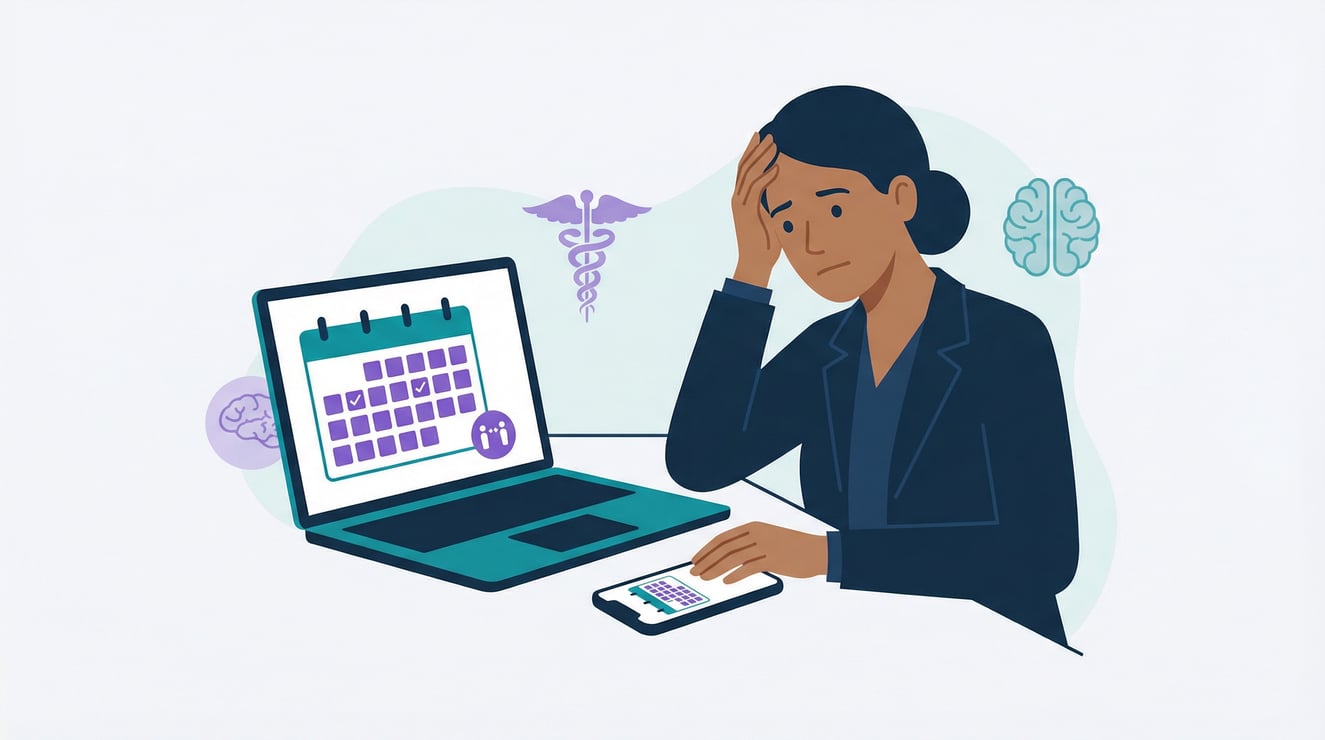
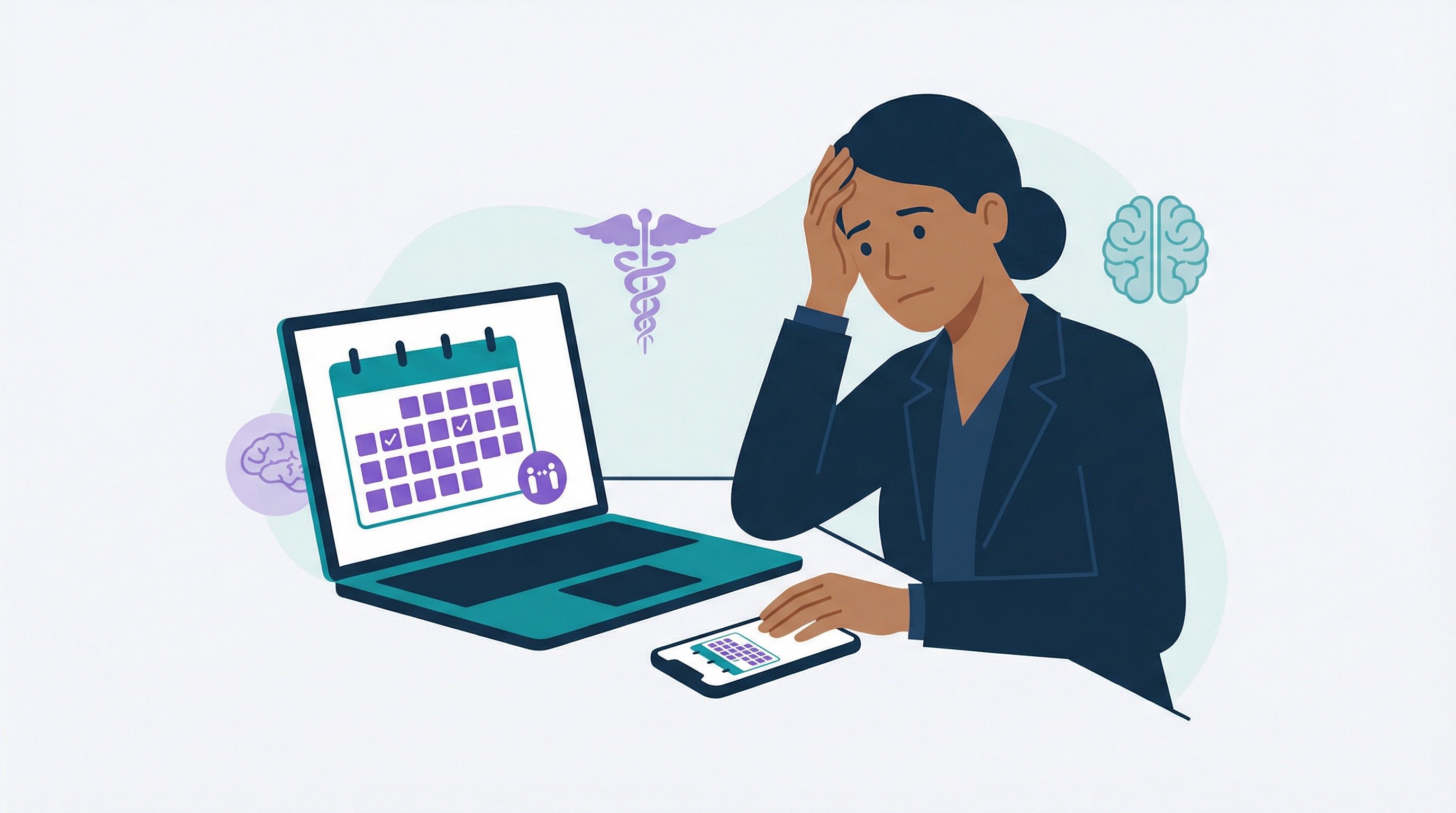
Finding a therapy appointment in Germany is already difficult for many people. For Indian expats, it can feel even harder because the system is unfamiliar, the provider search is often confusing, and support is not always easy to access in clear English.
Now there is a new reason for concern. From 1 April 2026, the remuneration for outpatient psychotherapy in Germany is set to be reduced by 4.5 percent. What sounds like a technical healthcare decision may have a very human consequence: more pressure on practices and potentially even longer waiting times for patients.
For Indian professionals in Germany, this topic matters more than it may seem at first. Mental health is not only about getting treatment. It is also about understanding the healthcare system, knowing what public insurance really means in practice, and protecting your long term stability if health problems begin to affect work, income, or family plans.
This article explains what is changing, why it may affect publicly insured patients most, why Indian expats should pay attention, and which next steps make sense if you want more clarity about the German system.
What is changing in April 2026
According to reporting from March 2026, outpatient psychotherapists in Germany will see their remuneration reduced from 1 April 2026. The headline number discussed publicly is 4.5 percent. Critics from the professional side say this sends the wrong signal at a time when access to therapy is already difficult in many areas.
There is one technical detail worth understanding. Some structural surcharges are also being adjusted, so the real economic effect may differ between practices. But that does not change the central concern. Many psychotherapists and professional groups believe that the overall direction puts more pressure on a system that is already stretched.
For patients, the most important point is simple. If a service becomes harder to provide economically, access often does not improve. In a market where many people already struggle to find appointments, even a smaller financial reduction can have real consequences.
Why this matters for patients in real life
Psychotherapy is not something that can simply be done faster without affecting quality. A proper therapy session takes time, preparation, follow up, and documentation. It is not a type of service where volume can easily be increased without limits.
That is why financial changes matter. If practices face lower reimbursement while rent, administration, software, and general costs remain high, the system becomes harder to manage. Patients may not see this directly inside a practice, but they can feel it through longer waiting times, fewer open slots, and more frustration while searching.
This is especially difficult for people who are already in a vulnerable state. Someone who is dealing with anxiety, burnout, depression, or emotional exhaustion usually does not have the energy for a long and confusing search. Delays do not only feel inconvenient. They can make the situation worse.
Why publicly insured patients may feel the pressure first
Many expats assume that once a treatment is covered by public health insurance in Germany, access will be simple. In reality, coverage and availability are not the same thing. A service can exist within the public system and still be hard to get when the provider side is under pressure.
That is why this topic matters so much. If statutory care becomes harder for practices to provide under good economic conditions, the first effect may not be visible in headlines. It may simply show up as fewer available appointments, more waiting, and a slower path into treatment for people who rely on the public system.
For many patients, this is the most frustrating part of the German healthcare experience. The treatment may be covered in theory, but the real question is whether you can actually get it in time.
Why Indian expats in Germany should care
For Indian expats, the challenge is often bigger than for locals. You are not only looking for a therapist. You may also be trying to understand referrals, insurance rules, the difference between public and private systems, and how to search for suitable support in a country where healthcare communication often happens in German.
On top of that, many Indian professionals carry a very specific kind of pressure. There may be a demanding job, a Blue Card situation, uncertainty about long term plans, emotional distance from family in India, and the pressure to stay stable in a new country. In that setting, mental health support is not a luxury topic. It is part of staying functional and secure.
Many people only start thinking about this when stress has already become serious. But by then, getting help may already take time. That is why early understanding matters.
If you want a broader overview of protection topics that affect Indian professionals, you can explore our insurance guides for Indian expats in Germany.
Mental health and financial stability are connected
One of the biggest mistakes expats make is treating mental health only as a medical topic. In reality, it can quickly become a work topic, an income topic, and a long term planning topic as well.
If stress, burnout, depression, or another health issue starts to affect your ability to work, the consequences can go beyond the search for treatment. You may suddenly need to think about salary loss, visa pressure, savings, support for family members, and whether your current protection setup is strong enough.
That is why this topic connects naturally with income protection. Many Indian professionals in Germany are highly skilled and well paid, but at the same time they are also exposed to strong career pressure. If health affects your earning ability, the financial impact can be very real.
To understand this wider risk, read our article on German income protection for Indian IT professionals in Germany and India.
Why long term planning matters for Indian professionals
Many expats in Germany make decisions step by step. First comes the move. Then the apartment. Then tax questions. Then health insurance. Then maybe family planning or permanent residency. Mental health and income protection are often pushed to the background because they feel less urgent at the start.
But the first years in Germany are often the most demanding. Your routines are new. Your support network may still be small. Expectations at work can be high. At the same time, many people do not yet fully understand which parts of the German system protect them well and where important gaps remain.
That is one reason why it makes sense to think about protection before a crisis develops. Good planning does not mean fear. It means clarity. It means understanding what happens if health problems last longer than expected and how your financial life would react under pressure.
You can also browse related resources under disability insurance for Indian IT professionals in Germany.
What this means if you may return to India one day
For many Indian expats, Germany is important, but it may not be the final destination forever. Some want to stay long term. Others are open to moving back later. Some are simply not sure yet. That is completely normal.
This uncertainty is exactly why long term planning matters. Protection should not only make sense for life in Germany today. It should also fit a Germany and India life scenario, especially if a health problem could change your career path or living plans later on.
That is why many Indian IT professionals are interested in the cross border angle of income protection. A good setup can give you more flexibility if your future does not follow a straight line.
Our guide on German income protection for Indian IT professionals in Germany and India explains this in more detail with a practical Germany plus India perspective.
What Indian expats should do now
First, do not wait for the perfect moment. If you already feel under pressure, start learning how the system works now. Even basic clarity can reduce stress.
Second, separate medical support from financial planning, but do not separate them too much. You may need both. Treatment access matters. At the same time, it is wise to understand how your income and long term protection would hold up if health problems became more serious.
Third, do not assume that public coverage automatically means fast access. This is one of the most important lessons for expats in Germany. Insurance can define what is covered, but availability depends on real world capacity.
Fourth, get advice in simple English when the system feels confusing. The wrong move is often not asking for help. The wrong move is delaying everything because the system feels too complicated.
FAQ
Why is it already hard to get a therapy appointment in Germany?
Because many patients are competing for limited appointments, and in many places the provider side is already under pressure. Even when therapy is covered by the public system, the real challenge is often finding an available therapist.
What changes from 1 April 2026?
From 1 April 2026, the remuneration for outpatient psychotherapy is set to be reduced by 4.5 percent according to March 2026 reporting.
Does that automatically mean fewer therapy places?
Not automatically in every single case. But critics warn that more financial pressure on practices can make access harder in an already overloaded system.
Why is this especially relevant for publicly insured patients?
Because the main concern is access within the statutory system. Public insurance may cover treatment, but that does not always mean quick real world availability.
Why should Indian expats in Germany care about this?
Because expats often face an extra layer of complexity. They may need help understanding the healthcare system itself before they can even begin the search for treatment.
Does public health insurance in Germany cover psychotherapy?
In principle, psychotherapy can be covered in the public system. But for many patients the difficult part is not the formal coverage. It is finding an actual appointment in time.
What if mental health problems start to affect work?
Then the issue becomes bigger than treatment alone. It can also affect income, career stability, and long term planning, which is why many Indian professionals should also understand the protection side early.
Can NEOdirect provide medical treatment or therapy?
No. NEOdirect does not replace therapists, doctors, or emergency support. We help Indian expats understand the insurance system, the planning side, and the long term financial consequences that health problems can create.
Need help understanding the system in simple English?
At NEOdirect, we help Indian expats in Germany understand how the German insurance system works so they can make safer long term decisions. That includes helping people see where the system supports them, where limits exist, and which questions matter before a health issue turns into a financial problem.
If you want more clarity about your current setup, your long term risks, and the connection between health, work ability, and financial protection, the next step is simple.
Book a conversation with NEOdirect
We explain the German system in simple English for Indian expats. You get a clearer view of your current situation, the most important protection gaps, and the next sensible steps for your Germany plan.
- Simple explanation in English
- Focused on Indian expats in Germany
- Clear next steps without unnecessary complexity

.webp?width=500&height=281&name=generated-image%20(1).webp)